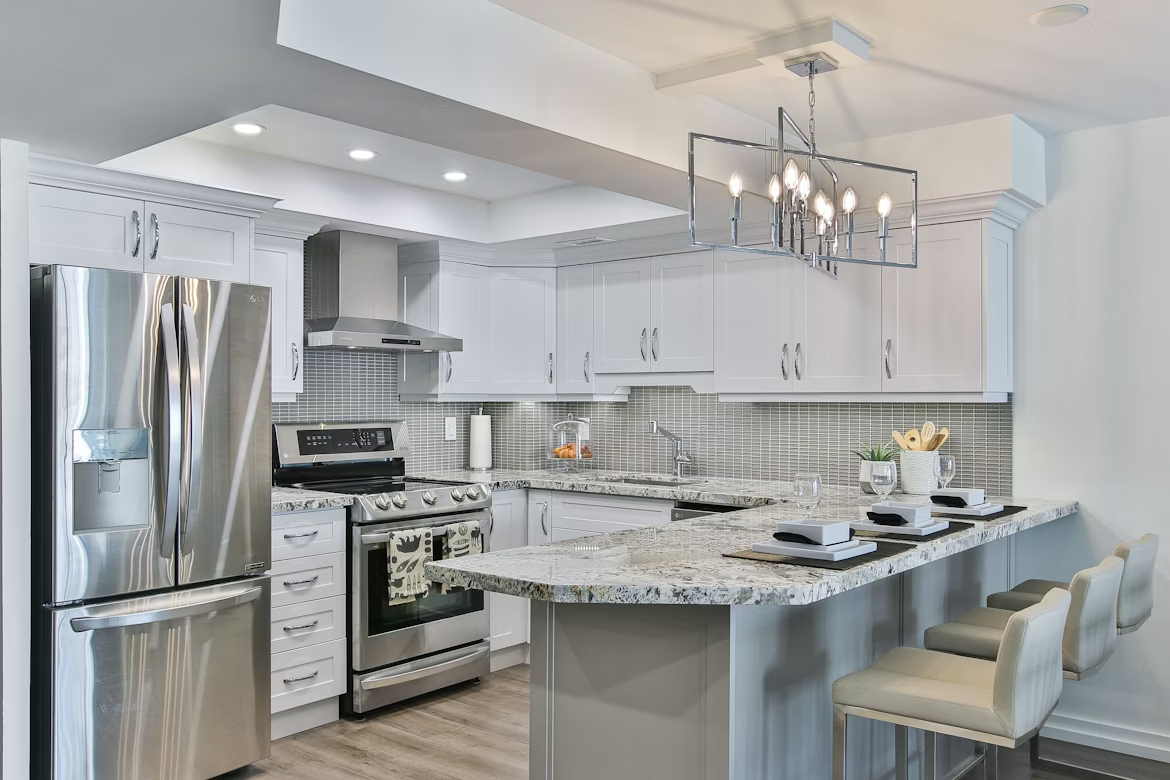
Lakewood is one of the most distinctive housing pockets in Dallas — Tudor, Craftsman, and Spanish Colonial homes from the 1920s and 30s. Renovating a kitchen in one of these homes requires planning that newer suburbs don’t.
Plaster, not drywall
Most Lakewood kitchens still have original plaster walls. Demoing plaster is messier than demoing drywall (more dust, more debris), and patching it well requires a finisher who knows the technique. Don’t let a contractor talk you into replacing every wall with drywall “because it’s easier” — you’ll lose a layer of original character.
Knob-and-tube and old gas lines
If the home hasn’t been rewired since the original build, you’ll likely encounter knob-and-tube wiring inside walls. It’s not legal to leave in place once a wall is opened. Budget for a full kitchen-circuit rewire as part of the project — typically $2,500-4,500 added to the quote.
Non-standard ceiling heights
Many Lakewood kitchens have 8’6″ or 8’9″ ceilings instead of the standard 8′ or 9′. Stock cabinetry doesn’t fit cleanly. We almost always recommend custom cabinetry for Lakewood projects so the upper boxes meet the ceiling without an awkward soffit gap.
The original layout is usually right
Lakewood kitchens were designed when the kitchen was a workspace, not a great room. The footprints are smaller than modern open-concepts but they work surprisingly well. Our advice: refresh the materials and update the appliances, but don’t tear out walls just to get an island. The home’s character is worth preserving.
Thinking about a kitchen project in Lakewood? Schedule a free consultation and we’ll walk through what’s realistic for your space and budget.